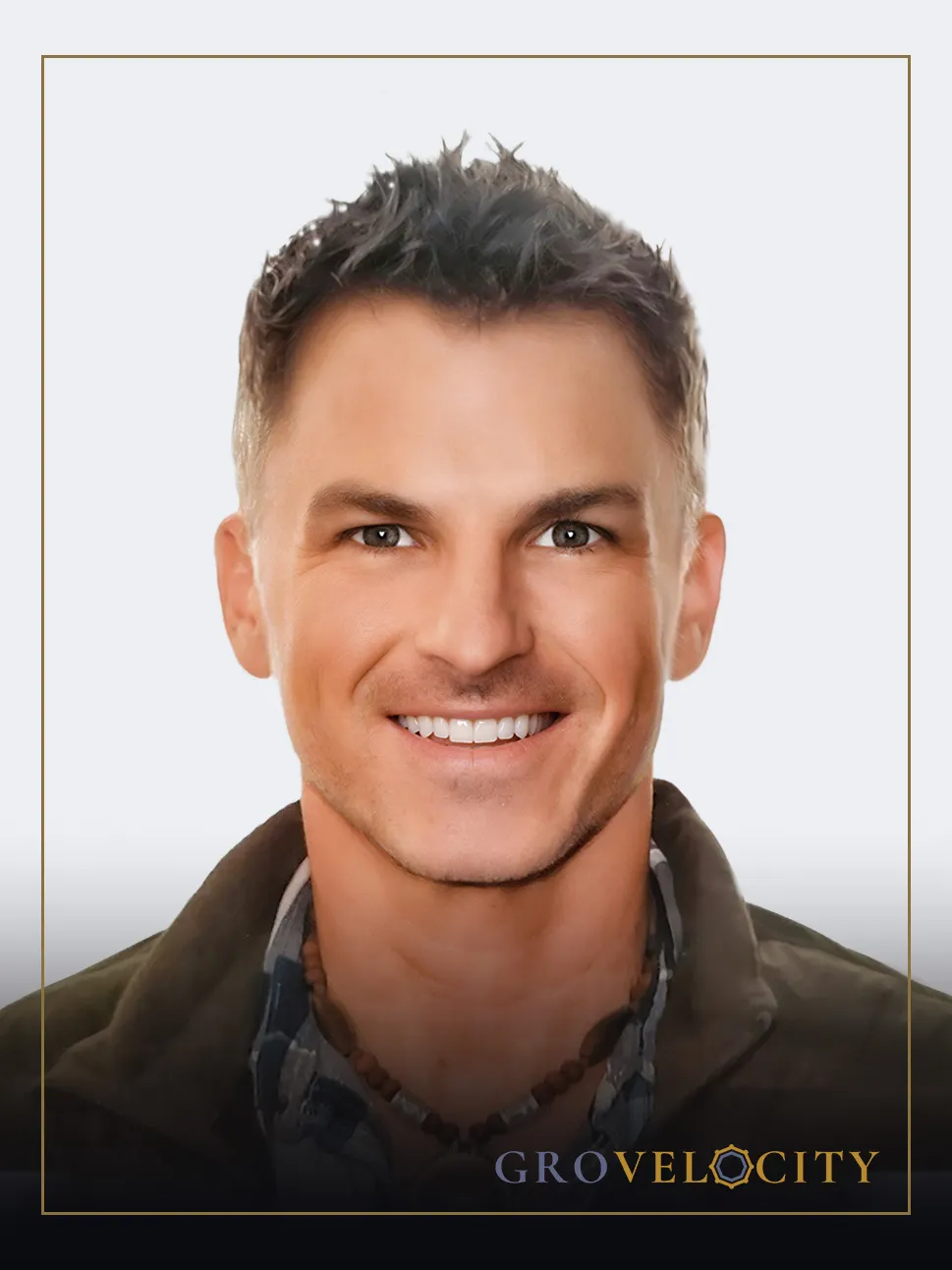
A career built on brand.
A frustration built on gaps.
I came up through branding the traditional way — learning the craft of identity design, brand strategy, and positioning in agency environments across the North American market. I worked on brands at different scales, across different industries, and I developed a genuine conviction that brand strategy was one of the highest-leverage things a business could invest in.
But the traditional agency model had a structural problem I couldn't ignore. Engagements ended. Deliverables were handed over. And then the client was on their own — with a beautiful brand system they had no infrastructure to maintain. The guidelines lived in a PDF. The content calendar was a spreadsheet someone filled out once. The visual identity degraded the moment a VA, a new hire, or a rushed campaign decision made it inconsistent.
The brand was an asset in theory. In practice, it was becoming a liability — not because it was bad, but because it wasn't built to run.
When AI changed what
was actually possible.
The shift happened gradually, then suddenly. I started building my own businesses alongside client work — an e-commerce operation, an automation agency — and found myself on the founder side of the same problem I'd been watching from the agency side. My own brand needed to stay consistent while I was focused on operations. My own content needed to go out without me touching it every day.
So I built systems. n8n workflows that automated content scheduling. AI prompt libraries calibrated to specific brand voices. Market intelligence pipelines that told me what competitors were doing before I had to go looking. I built these for myself first. Then I started building them for clients.
That's when GroVelocity stopped being a freelance practice and started being a product. The insight was simple: if the brand and the system that runs the brand are built at the same time, by the same person, the output stays consistent indefinitely. The client doesn't have to choose between having a great brand and having a brand that actually works day-to-day.
Systems first.
Aesthetics always.
The way I work is different from most brand agencies in one specific way: I build the operational layer at the same time as the creative layer. Strategy, identity, content infrastructure, and automation are a single engagement — not a brand project followed by a separate "content strategy" project followed by a separate "automation" conversation.
This means the brand I deliver is already running by the time it reaches you. The content calendar is loaded. The scheduling automation is connected. The AI prompt library is calibrated to your voice. The guidelines document tells anyone you hire exactly how to stay on-brand without asking you. You don't maintain the brand. The system does.
I work with a small number of clients at any one time — deliberately. Every engagement gets my direct involvement, not a junior designer working from a brief I wrote two weeks ago. The Ecosystem retainer is capped at six clients for exactly this reason. Quality requires constraint.
Three products.
One operating principle.
GroVelocity today is a productised brand systems agency built specifically for e-commerce founders and digital operators scaling past DIY. The three products — Brand Spark, Brand Engine, and Brand Ecosystem — are different entry points into the same philosophy: that a brand without a system behind it is decoration, and that you deserve both.
I'm based in Playa del Carmen, working with clients across North America and beyond. Every engagement is run personally. Every strategy brief is written by me. Every system is built and tested before handoff. If you've made it this far down the page, you probably already know whether this is what you've been looking for.